Easter Bunny Please Stop: A Designer's Honest Embroidery Review
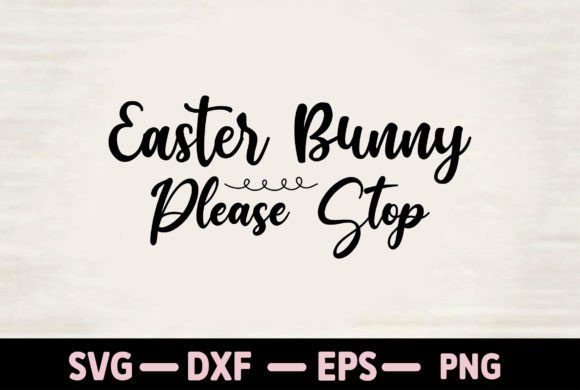
When I first opened Easter Bunny Please Stop, I have to admit I smiled. There is a certain playful tension in that name that immediately tells you this is not your standard saccharine holiday design. As someone who has reviewed hundreds of machine embroidery files for my own shop and for clients, I have learned that the best designs bring personality to a project without overwhelming the fabric or the wearer. This one does exactly that. It walks a line between cute and cheeky, which makes it a strong candidate for Easter projects aimed at adults, teens, or anyone who likes their holiday decor with a wink.
The visual personality of this design leans into a slightly cartoonish, expressive bunny pose. The linework is clean, the shape has a nice rounded silhouette that reads well at a glance, and the overall layout feels balanced for a central placement on a garment or accessory. It does not try to cram in too many elements, which is a relief. Overdone embroidery files can turn into a thread soup on real fabric, but this one breathes. The mood is lighthearted and a little sarcastic, which is a niche that sells well in boutiques and on Etsy. I have seen similar themes move quickly in small shops because they feel fresh compared to the usual pastel eggs and floral wreaths.
Real Fabric Thinking: How This Design Holds Up
Let me walk you through a real scenario. I was preparing a custom embroidered sweatshirt for a friend who runs a small handmade market booth. She wanted something that would catch attention but still feel like a quality piece her customers would actually wear beyond Easter Sunday. I hooped up a mid-weight cotton blend sweatshirt in a soft heather cream, used a medium weight cutaway stabilizer, and ran a test stitchout of Easter Bunny Please Stop on scrap fabric first. That test stitchout step is non-negotiable in my workflow, and I will talk more about that later.
The design stitched out cleanly. The satin stitch areas had good coverage without being so dense that the fabric puckered. The fill stitch sections maintained a smooth texture, and the running stitch details added enough contrast to make the bunny's expression pop. I did notice that some of the thinner lines might benefit from a slightly narrower thread choice to keep the details crisp, but that is a personal preference. On the sweatshirt, the design sat nicely without stiffening the fabric too much. The hand feel was acceptable, which matters for a garment that people will actually wear lounging around the house or running errands. If you are producing for a craft business, that hand feel is what keeps customers coming back.
I also tested it on a tote bag made of heavy cotton canvas. The design held up even better there. Canvas gives the stitches a firm foundation, and the bunny shape really anchored itself into the weave. A tote bag with this design would sell well as a fun Easter gift or a spring market item. The same can be said for an embroidered patch version. If you digitize it as a standalone patch or use an applique approach with fabric behind the bunny, you could easily turn this into a sew-on patch for jackets, aprons, or even pillow covers. The shape is simple enough that it translates well to a patch format without losing legibility.
Where This Design Shines in Your Product Line
From a small business owner perspective, Easter Bunny Please Stop is versatile enough to appear on several product types. I would recommend it for custom apparel first, especially t-shirts, sweatshirts, and baby bodysuits. The T-Shirt Designs category makes sense here because the layout and size are naturally suited for a chest or center back placement. The design reads as a statement piece, which is exactly what sells on a tee.
Beyond apparel, consider these applications:
- Personalized gifts: Embroider it on a kitchen towel with a name added below. The bunny theme works for Easter hostess gifts or spring housewarming presents.
- Baby embroidery: The playful tone is appropriate for a baby onesie or baby blanket, as long as you keep the back soft with a good stabilizer choice.
- Holiday embroidery: Easter baskets, pillow covers, and nursery decor all benefit from a design that feels current rather than generic.
- Boutique products: If you sell at craft fairs or maintain an Etsy shop, this design fits the humorous, personality-driven niche that stands out among standard holiday offerings.
- Commercial embroidery: For shops producing small runs, the stitch time seems reasonable. The design does not have excessive color changes or dense areas that would slow production.
I also see potential in using this as part of a printable mockup for digital product previews. The simple silhouette photographs well and gives potential buyers a clear idea of how the finished product will look.
Where You Need to Be Careful
No design is perfect for every surface, and Easter Bunny Please Stop has a few constraints worth noting. First, the smallest hoop size you can use depends on the original file dimensions. Since the product description states you receive a digital download with a zip file and mentions use for monogram making and other purposes, you will need to inspect the file to confirm exact size before committing to a small project. If you plan to put this on a baby hat or a cap, you may need to scale it down, and scaling can affect stitch density and detail clarity. Always do a test stitchout at your intended size before running a batch.
On stretchy fabrics like jersey knit t-shirts, pay close attention to your stabilizer choice. A cutaway stabilizer is usually safer than a tearaway for designs with satin stitch elements, because the fabric can pull if the stabilizer is too flimsy. I also recommend avoiding very thin or loosely woven fabrics for this design, as the fill stitches can show through the back and create an uneven appearance. Dark fabric backgrounds can work if you choose thread colors with high contrast. A white or light cream bunny on a dark heather grey or black sweatshirt looks sharp, but you should test a black and white mockup first to see how the values separate.
Curved surfaces like caps or curved brims require extra attention. The design is not excessively wide, but the shape may need to be centered carefully to avoid distortion. If you are adding it to a cap, use a stiff stabilizer and a cap frame to keep the fabric taught. Layered garments, such as jackets with a fleece lining, can also cause the stitches to sink into the pile if you do not use a sufficient stabilizer layer on top.
Visual Appeal and Customer Trust
In my experience, customers buy embroidered products because they want something that looks handmade but also professional. Easter Bunny Please Stop delivers on that front. The design has enough character to feel personal, but the stitchout looks polished. That combination builds trust. When a customer receives a sweatshirt or a tote bag with clean embroidery that does not pucker or distort, they are more likely to leave a positive review and return for future purchases.
For Etsy sellers and small shop owners, this design also works well for branding consistency. If you build a spring collection around this bunny theme, you can carry it across multiple products and create a cohesive look. That kind of visual recognition helps buyers feel like they are getting a curated product rather than a random print. And for digital product sellers who offer design assets, this file can be marketed as part of a seasonal graphics bundle.
Practical Embroidery Designer Notes Before You Sew
Before you commit to a full production run, here are the steps I take with any new embroidery file, including this one:
- Test on scrap fabric first. Use the same fabric type you plan to use in production. Check tension, stitch quality, and thread breakage.
- Review thread color contrast. Print a black and white mockup of the design to see if the bunny separates well from the background. Adjust thread colors if needed.
- Check stitch density. If the design feels too dense, consider using a lighter stabilizer or adjusting the underlay. If it is too sparse, you may need to add a second layer of fill.
- Confirm hoop size compatibility. Verify that your hoop can accommodate the design at the size you intend to stitch. Do not assume the default size is correct for your project.
- Inspect small details. Look at the thinnest lines and smallest elements in the design. If they are too small for your machine or fabric, scale the design up or simplify the detail.
- Test on light and dark backgrounds. What works on white may disappear on navy. A simple contrast check saves you from wasted thread and unhappy customers.
- Use proper stabilizer. For most garments, a medium weight cutaway stabilizer works well. For towels or high pile fabrics, consider a water soluble topping.
- Confirm licensing. Since this is a digital download, check the license terms before selling finished items or using the file in commercial projects. The description mentions use for many purposes, but you should verify what is allowed for your specific business model.
One more note: if you plan to offer this as a custom monogram project, the design’s layout can incorporate a name or monogram in the negative space around the bunny. That opens up additional product possibilities for personalized gifts and boutique items.
Final Thoughts on Working With This Design
Easter Bunny Please Stop is a solid choice for anyone who wants to add a bit of personality to their spring embroidery lineup. It works across a range of products, from t-shirts and tote bags to patches and pillow covers, and the mood it creates is exactly what many buyers are looking for. It is not a generic holiday graphic. It has an opinion, and that is what sells in a crowded market.
As with any machine embroidery design, your results depend on your preparation. Test before you produce, choose your fabric and stabilizer carefully, and always inspect the stitchout for clarity. If you do that, this design will serve you well in both personal projects and your small shop product range.