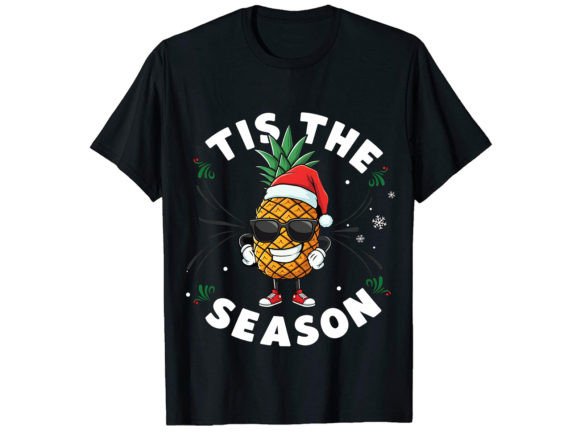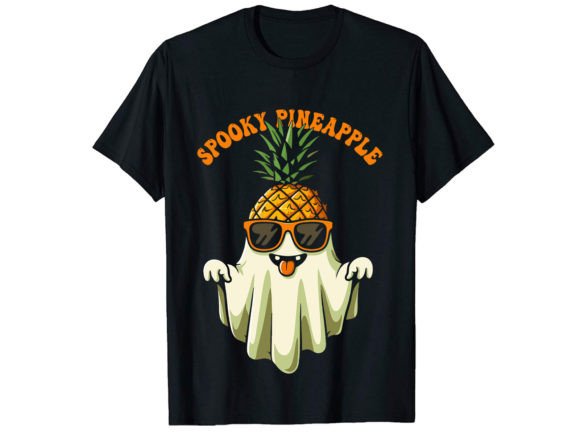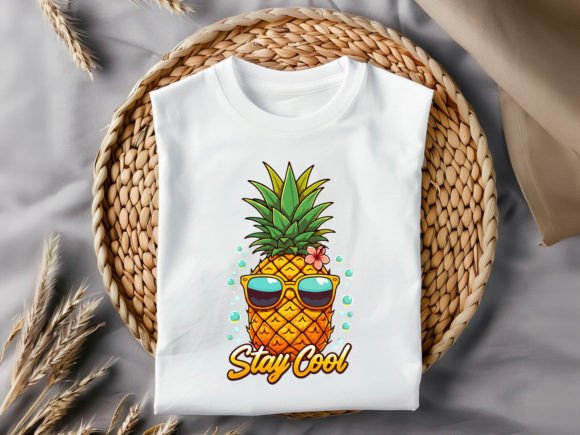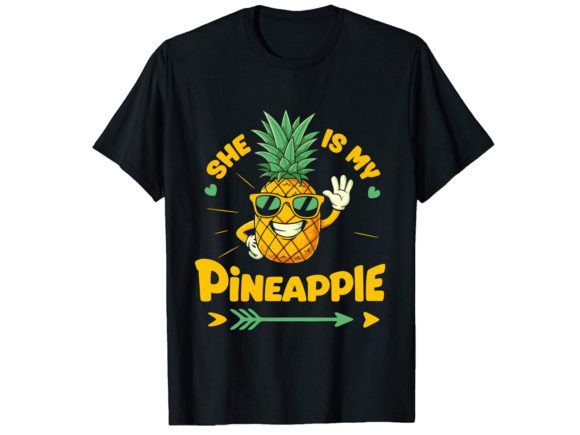
Upside Down Pineapple for T-Shirt Design
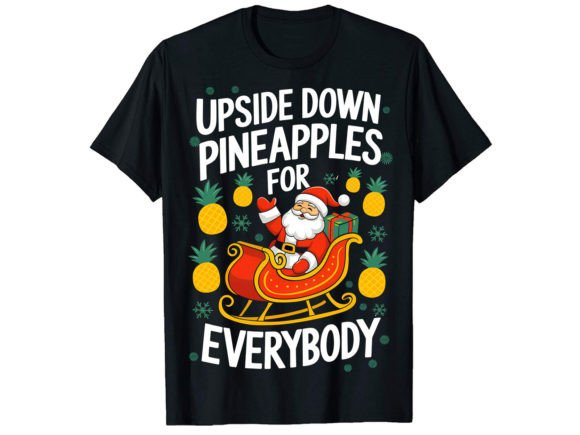
When I first opened the PNG of the Upside Down Pineapple for T-Shirt Design, I immediately saw the kind of playful, tropical mood that works well for summer merch, beach-themed gifts, and quirky personal projects. The inverted pineapple gives off a “party down” vibe, and the clean, bold silhouette means it stands out without needing a lot of tiny detail. As a designer who does a fair amount of embroidery work, I’m always looking at graphic designs and thinking, “How will this stitch out?” Obviously, this is a print-ready file—not a machine embroidery file—but the shape and layout are strong enough that I’d consider digitizing it for embroidery use. The 4500×5400 pixel canvas at 300 dpi gives plenty of room to work with, so scaling won’t cause pixelation. That alone makes it an asset I can trust for both on‑screen mockups and production.
First Take: Shape, Theme, and Layout
The upside down pineapple is immediately recognizable—it’s bold, slightly cheeky, and full of personality. The leaves fan out naturally, and the body of the pineapple has a nice weight to it. There’s enough internal structure to make satin stitch or fill stitch areas interesting without creating a messy density. The design feels balanced and centered, which is exactly what I want when I’m placing it on a t‑shirt, hoodie, or tote. Because it’s a single, solid shape, it won’t fight with other elements on a garment. I can see it working as a chest logo on a sweatshirt, a large back print on a beach cover‑up, or a small accent on a cap.
Real‑World Scenario: Embroidered Tote Bag for a Client
This morning I was preparing a custom tote bag order for a small boutique. They wanted something fun but not childish—something that would appeal to customers looking for a quirky, giftable item. I pulled the Upside Down Pineapple for T-Shirt Design into my digitizing software. Because it’s a PNG, I traced the outline and created separate stitch regions for the leaves and the pineapple body. The wide, open areas are perfect for a dense fill stitch, and the narrow leaf tips can be handled with a satin stitch. I set the hoop size to 5×7 inches—plenty of room for the design at about 4 inches tall. I tested it on a scrap cotton canvas first, which I always recommend. The stitch out was clean, with no pull or distortion. The bold shape held its integrity even on the textured fabric. My client loved the mockup, and I know this design will sell well as an embroidered patch or direct‑to‑garment piece.
Performance Across Different Products
When I evaluate a graphic design for real‑world use, I think about how it translates to different blanks and materials. Here’s how the Upside Down Pineapple performs in my experience:
- Custom apparel (t‑shirts, sweatshirts, hoodies): The solid silhouette works beautifully. On a light‑colored tee, the design pops. On dark fabrics, you’ll want to use a white or bright thread for contrast, or you can reverse the design and use a light fill. The leaves offer a nice chance to use two or three thread colors to add depth.
- Tote bags and canvas: This is the sweet spot. The design’s weight matches the sturdy fabric. I’ve used it on a medium‑sized tote and the embroidery sat perfectly—no puckering. The size (I scaled it to about 5 inches tall) felt balanced.
- Baby clothes and onesies: The shape is simple enough to work at a smaller scale. I’d recommend keeping the hoop size under 4×4 and using a lightweight stabilizer. Avoid dense fills on stretchy knits—use a running stitch or light fill instead.
- Caps and hats: The upside down pineapple works as a front panel design. Because the shape isn’t too wide, it fits within the curved surface without distortion. I’d digitize it with a slight curve to match the cap’s shape.
- Patches and appliqués: This design is ideal for a patch. The clean outline makes cutting Easy. I can see it as an iron‑on patch for denim jackets, canvas bags, or even as a beach towel accent.
- Kitchen towels and pillow covers: The tropical theme adds a fun touch to kitchen towels. For pillows, it works as a standalone motif or as part of a larger scene. Just be careful with small details if you’re embroidering on a thick fabric like terry cloth.
- Digital mockups and print‑on‑demand: The included mockup is a huge time saver. I used it to preview the design on a hoodie and a mug in about two minutes. The high‑resolution PNG means I can present professional samples to clients without needing to stitch out every idea first.
Where This Design Needs Careful Handling
No design is perfect for every surface, and the Upside Down Pineapple has a few limitations worth noting. If you’re planning to embroider it, pay attention to the following:
- Small hoop sizes: The design loses impact when scaled below 2 inches. The leaves become crowded, and the pineapple shape gets too compact. I wouldn’t recommend it for a cap front smaller than 2.5 inches, or for a tiny pocket logo.
- Textured or stretchy fabrics: The fill areas can distort if the fabric moves during stitching. Use a cut‑away stabilizer for knits and a tear‑away for stable wovens. Always test on a scrap first.
- Dark fabric: If you’re using a dark base and want the design to stand out, you might need a white or metallic thread. The shape itself is bold, but low contrast reduces its visual pop. Consider reversing the design or adding an outline running stitch to define the edges.
- Layered garments: On hoodies with thick fleece, the design might sink into the nap. Use a topping stabilizer and increase the stitch density slightly to keep the edges crisp.
- Frequent washing items: For baby clothes or towels, make sure your thread and stabilizer are colorfast. The design’s large fill areas can shrink if the stabilizer isn’t removed properly. I recommend a wash‑away stabilizer for items that will be washed often.
Visual Appeal, Product Value, and Customer Trust
A design like the Upside Down Pineapple does something important: it tells a customer that the product is intentional, not generic. When I sell embroidered items, the design itself is half the value. This particular graphic has a fresh, modern feel—it’s not overdone, and it’s not so trendy that it will look dated next season. That balance is key for small shop owners and handmade sellers. I’ve seen similar designs sell well as boutique branding for coastal‑themed shops, as wedding guest gifts, and as novelty items for college students. The upside down pineapple also carries a subtle “welcome” or “hospitality” meaning in some circles, which adds a layer of thoughtfulness for personalized gifts.
From a professional standpoint, the high resolution and included mockup make this a turnkey asset. You don’t need to spend hours editing or creating a preview. That saves time when you’re listing a product on Etsy or pitching a client. The design’s clean lines also convey that you (the seller) care about quality, which builds trust. A pixelated or poorly scaled design would hurt that trust—this PNG won’t.
Practical Embroidery Designer Notes
Before you use the Upside Down Pineapple for T‑Shirt Design in an embroidery project, here are some steps I always recommend:
- Test on scrap fabric first. Even if your digitizing software looks good on screen, stitch it out on the actual material you plan to use. Check for thread breaks, density issues, and fabric puckering.
- Check thread color contrast. The design works best when the thread color contrasts well with the fabric. Try a mockup in black and white to see the value difference. If they’re too similar, adjust your palette.
- Review stitch density. Because this is a graphic, not an embroidery file, you’ll be digitizing it yourself or using a conversion service. Make sure the fill areas aren’t too dense—high density can cause fabric puckering and increase stitch time. Aim for 4–5 mm density for fills, and use satin stitches for narrow sections.
- Confirm hoop size. I recommend a minimum 4×4 hoop for the design at roughly 3 inches tall. For larger versions, 5×7 or bigger will give you room to keep the details crisp.
- Test on light and dark backgrounds. The design’s shape is solid, but on a dark shirt you might need an underlay or a white base layer to keep the colors vivid. Test both scenarios.
- Use proper stabilizer. For most woven fabrics, a medium tear‑away works fine. For knits and stretchy items, use a cut‑away stabilizer. For towels or fleece, add a water‑soluble topping to prevent stitches from sinking.
- Check licensing for commercial use. The product description does not explicitly state commercial rights, so before you sell any finished items made with this design, contact the designer or read the license terms carefully. If you’re an Etsy seller, you want to be sure you’re allowed to sell products featuring the design. Don’t assume—verify.
Final Thoughts on the Design’s Real‑World Fit
The Upside Down Pineapple for T‑Shirt Design is a versatile graphic that holds its own across multiple products. As an embroidery designer, I appreciate that the shape is simple enough to digitize without endless edits, yet expressive enough to catch a customer’s eye. It works for both personal projects—like a gift for a friend who loves tropical themes—and for commercial inventory in a craft business. The included mockup is a practical bonus that speeds up listing creation. If you’re a small shop owner or a hobbyist looking to add a fresh, playful motif to your lineup, this design is a solid choice. Just remember to test it thoroughly for your specific application, and always clarify the usage rights before you sell finished goods. Used wisely, it can elevate a plain tote bag or tee into a memorable handmade product that people will reach for again and again.