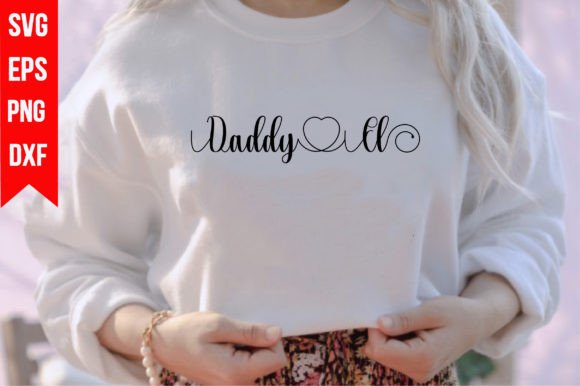
Daddy Elf Graphics for T-Shirt Designs
When you open that freshly downloaded ZIP file and see Daddy Elf waiting inside, the first thing that hits you is the personality. This isn't just another elf illustration you could grab from any creative marketplace. There is a specific warmth and playful confidence baked into this graphic design asset that immediately makes me think of custom father-son matching shirts, festive family reunion gear, and those heartwarming holiday gift sets that fly off the table at a craft fair. As someone who has been running a small handmade business for several seasons now, I have learned to spot a design that connects with a buyer's sense of humor and heart at the same time. Daddy Elf delivers that connection with a style that feels both familiar and fresh. It leans into a cheerful, bold, and slightly rustic festive mood. The lines are clean enough for vinyl cutting but carry enough character to feel hand-drawn and personal. If you sell on Etsy or at local markets, you know that buyers want designs that feel like they came from a real person, not a generic clipart factory. This illustration sits firmly in that sweet spot. It works for the parent who wants a funny holiday tee, the grandparent looking for a personalized gift, or the crafter building a full seasonal collection around a family theme.
First Look at Daddy Elf – What This Graphic Design Asset Brings to Your Craft Table
The moment I pulled the SVG file into my design software, I noticed the silhouette was well-proportioned and the details were intentionally placed. The beard has enough texture to read clearly on a finished product but avoids the ultra-thin lines that give us trouble during weeding. The hat has a nice droop to it, the kind of shape that feels relaxed and approachable. This is not a stiff or formal elf. It is the elf who shows up to the holiday party with a cup of cocoa and a dad joke ready. That energy translates directly into t-shirt designs, mug designs, and tumbler wraps that feel like a conversation starter.
I also appreciated that the ZIP file contained both SVG and PNG formats. That is a small thing that saves me a lot of time. When I am working on a Cricut project or a Silhouette project, the SVG file lets me manipulate layers and resize without losing quality. When I need a quick printable design for a gift tag or a sticker design, the PNG file with a transparent background is ready to drop into my template. For anyone building a design bundle for the holiday season, having both formats means you can move from vinyl cutting to sublimation printing without opening a conversion app. That kind of workflow efficiency matters when you are trying to fill a dozen custom orders before the weekend market.
Real Crafting Workflow – How Daddy Elf Fits Into a Handmade Business Production Run
Let me walk you through a realistic scenario. Imagine you are preparing a batch of custom holiday gifts for an Etsy shop. You have a customer who wants matching shirts for a family of four, all with Daddy Elf as the centerpiece. You also have a second order for a set of five tote bags with the same design, plus a request for a dozen gift tags to coordinate with the wrapping. This is exactly the kind of multi-product order where Daddy Elf proves its value.
For the shirts, I loaded the SVG into my Cricut Design Space, resized it to fit a standard adult tee, and paired it with a bold serif font for the word Dad underneath. The cut lines were clean. There were no stray nodes or overlapping paths that would cause the machine to stop mid-cut. I ran a test cut on a scrap piece of vinyl to confirm the weeding was smooth, and it was. The internal cutouts in the beard and hat pulled away easily without tearing. That may sound like a small detail, but anyone who has spent an hour weeding a bad SVG knows it is the difference between a profitable project and a frustrating one.
For the tote bags, I used the same SVG but scaled it down slightly and added a layer of iron-on vinyl in a contrasting color. The design held its shape well at a smaller size. The details remained readable, and the overall composition did not get crowded. For the gift tags, I switched to the PNG file, dropped it into a printable template, and printed a sheet on cardstock. The resolution was sharp, and the colors matched what I saw on screen. I cut them out with a paper trimmer and punched a hole for ribbon. The whole set came together in under two hours. That is the kind of efficiency that makes a digital product worth every penny.
Where Daddy Elf Shines in Your Product Line
This graphic design asset performs exceptionally well in several product categories. If you are building a seasonal craft bundle for your shop, Daddy Elf can anchor a whole collection. Here is where I found it worked best:
- Large cut files for apparel – The design scales beautifully to shirt front or back placements. It reads well from a distance, which is important for t-shirt designs meant to be seen and recognized quickly.
- Clean printable layouts – The PNG version holds up for printable design projects like party decorations, greeting cards, and thank-you cards. The edges are crisp, and the transparency is intact.
- Sublimation design – I tested it on a polyester mug blank, and the colors transferred evenly. The line art stayed sharp, and the overall look was professional.
- Planner pages and scrapbooking – At a smaller scale, the illustration adds a fun accent to planner stickers and scrapbook layouts. It works well as a decorative element without overwhelming the page.
- Small business branding – If you are a shop owner who creates holiday packaging, Daddy Elf can become a signature element on gift tags, handmade packaging, and tissue paper inserts. It gives your brand a cohesive seasonal look.
- Product mockups – When I uploaded the design to a mockup generator for listing photos, the fit was natural. The proportions matched the shirt and mug templates I used, which saved me from having to reposition or stretch the file.
Where to Approach With Care Before Cutting or Printing
No design is perfect for every application, and Daddy Elf is no exception. As an experienced crafter, I always test a new asset in multiple scenarios before I offer it to customers. Here are a few areas where I recommend using caution:
- Very small cutting details – If you plan to cut this design at a size smaller than two inches wide, some of the finer beard and hat details may become too delicate for vinyl weeding. I tested it at one inch for a sticker design, and the smaller internal cutouts required careful handling. For very small applications, consider using the PNG version as a print-and-cut file instead.
- Thin lines in layered vinyl projects – The design is not loaded with thin lines, but if you plan to layer multiple colors, pay attention to the registration. The hat and beard have distinct sections that could be separated for color layering, but you will want to double-check that each layer has enough thickness to hold together during transfer.
- Crowded compositions – Daddy Elf has a strong visual presence. If you pair it with too many additional elements on a t-shirt design or a mug design, the composition can feel busy. I recommend letting it breathe with one supporting text line or a simple frame rather than stacking multiple graphics around it.
- Low-contrast colors – Because the design has moderate detail in the beard and hat trim, using low-contrast colors on light products can make those details hard to read. On a white shirt, a light gray or cream vinyl may lose the texture. Stick to classic holiday colors like red, green, black, or gold for maximum impact.
- Dark product surfaces – The design works well on dark products, but if you are using the PNG for sublimation on a dark fabric, you will need to account for the background. The SVG version with a transparent background is better for dark substrates when using vinyl or heat transfer.
Practical Crafter Notes Before You Start Cutting, Printing, or Selling
Before I add any new asset to my production line, I run through a checklist. These steps have saved me from ruined blanks and unhappy customers, and I recommend them for anyone using Daddy Elf in a handmade business.
- Test the file before selling finished products. Cut one sample on scrap material. Print one sample on printer paper. Confirm that the file behaves the way you expect before you commit to a batch of shirts or mugs.
- Check if SVG lines are clean. Open the SVG in your design software and zoom in. Look for overlapping paths, open nodes, or jagged edges. In my test, Daddy Elf was clean, but every software handles files slightly differently.
- Preview PNG transparency. Drop the PNG onto a dark background to confirm there is no unwanted white halo or stray pixels. This is especially important for sticker design and printable design work.
- Confirm resolution for sublimation. The PNG file I tested had a resolution that worked well for standard mug and shirt sizes, but if you are printing on a large surface like a blanket or a full-back hoodie, you may need to upscale carefully.
- Test colors before printing. Run a small color swatch test on your sublimation paper or your printer. The colors in the file may shift depending on your printer profile and the blank material.
- Check how it looks on white and dark products. Place the design on a white mockup and a dark mockup. See if the details hold in both cases. Adjust your color choice or material selection based on what you see.
- Place it on real mockups. Use a product mockup template that matches your actual blank. Do not rely on a generic preview. The perspective and scale of the mockup should match the real product.
- Resize it for different products. A design that looks great on a shirt may need to be resized for a tumbler wrap or a tote bag. Test each size in your software before cutting.
- Simplify the layout if needed. If you are using Daddy Elf in a design bundle with other elements, consider stripping back some of the background details or text to keep the focus on the illustration.
- Pair it with the right font. I tested Daddy Elf with several font styles. A serif font gave it a classic, letterpress feel. A sans serif font kept it modern and clean. A script font added a playful, hand-lettered look. A handwritten font made it feel personal and casual. A display font with thick strokes worked well for bold headlines. Choose the font that matches the mood of your product line and your customer base.
- Confirm commercial licensing before using it for customer orders. Check the license terms provided with your download. Make sure you have the right to use the design for commercial design work, print-on-demand products, and Etsy products. Some design assets from a creative marketplace have restrictions on the number of sales or the type of products. Read the fine print so you stay compliant and protect your small business branding.
Final Thoughts on Adding Daddy Elf to Your Design Bundle Rotation
After running Daddy Elf through a full production test across multiple product types, I feel confident recommending it to other crafters and handmade sellers. It is a versatile illustration that brings genuine holiday charm without the over-polished look of mass-produced clipart. It works for Cricut projects, Silhouette projects, printable design work, and sublimation design. It fits into a commercial design workflow without causing technical headaches, and it has the visual personality to stand out in a crowded creative marketplace.
For anyone running a small handmade business, especially during the holiday season, having a reliable graphic design asset like Daddy Elf in your library means you can focus on production and customer experience rather than wrestling with flawed files. It is the kind of asset that lets you say yes to custom orders, build cohesive product lines, and deliver finished items that make your customers smile. Whether you are preparing for a craft fair, launching a new Etsy product, or building a seasonal collection for print-on-demand, Daddy Elf deserves a spot on your cutting mat and in your design rotation.